

PLEASE NOTE: The Oriental Theatre is a cashless venue.


The Oriental Theatre
2230 N. Farwell Ave., Milwaukee, WI 53202
History
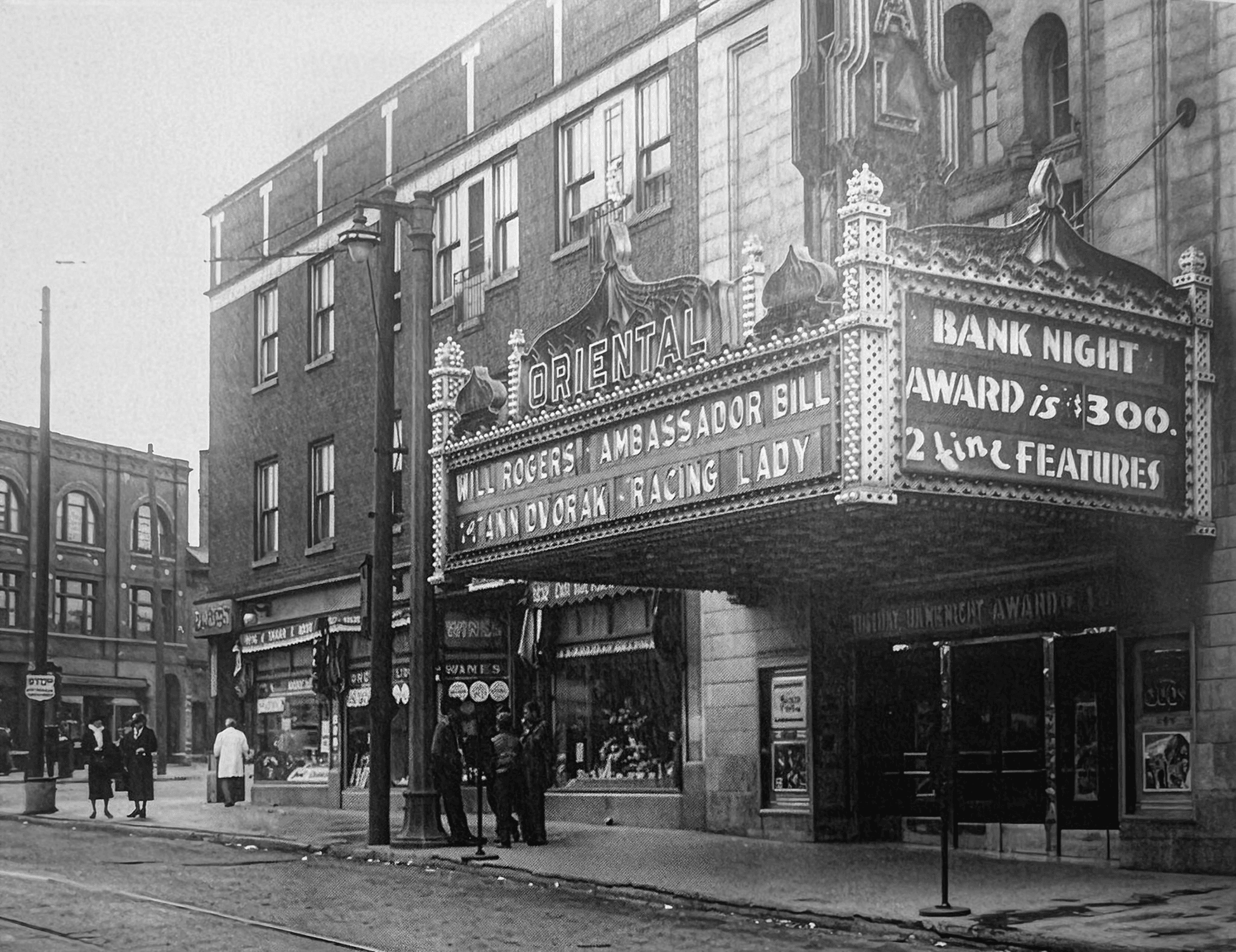
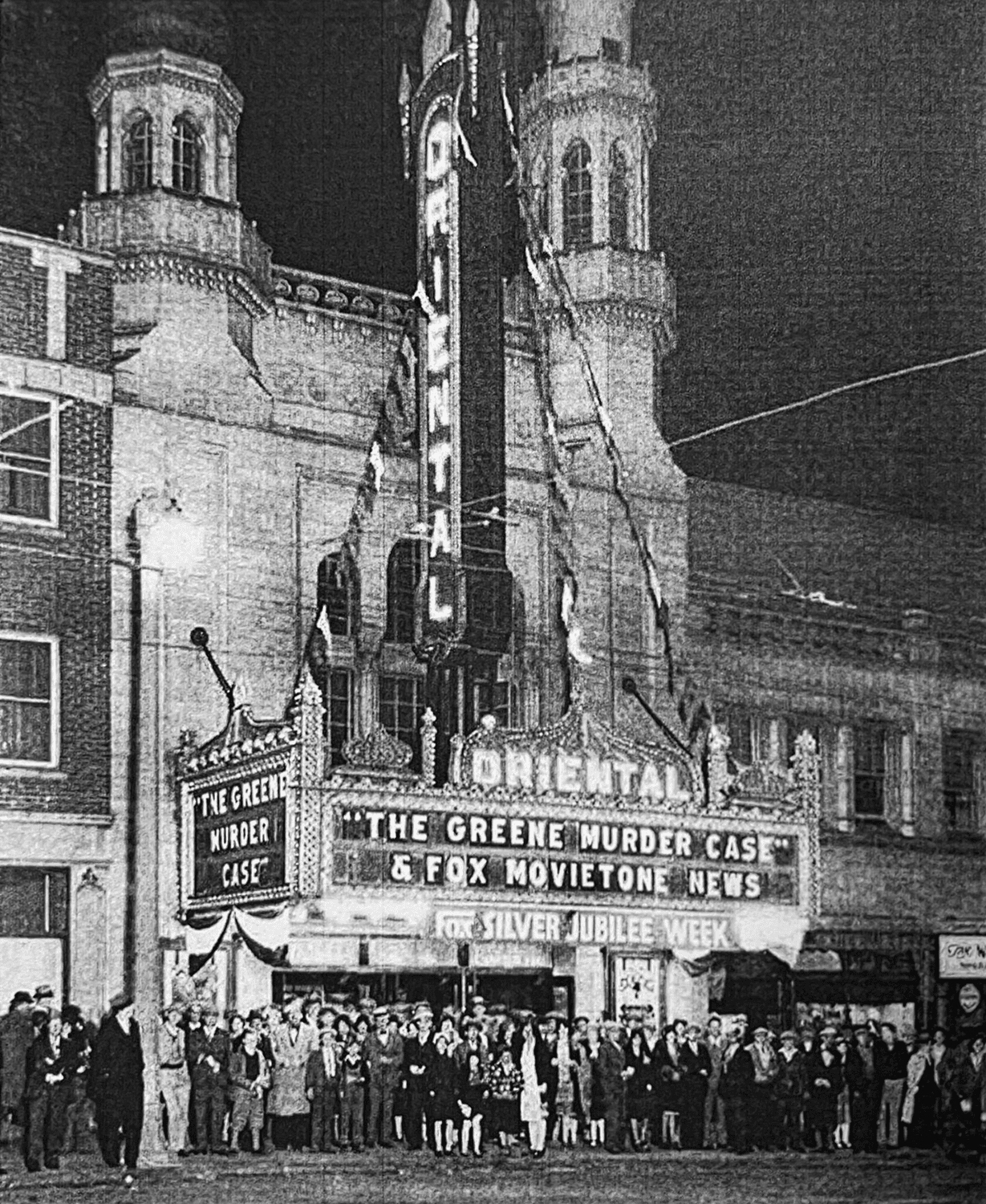
On July 2, 1927, the Oriental Theatre opened its doors. The three inaugural-night performances each included newsreels, a Felix the Cat cartoon, the short film FLYING FEET, a stage production called Mystic Araby (with orchestral accompaniment), organ music, and the main feature, NAUGHTY BUT NICE — a silent film starring Colleen Moore. The theater was an immediate success, drawing praise from filmgoers, architects, journalists, industry insiders, and, eventually, cinema and media historians. Regarding the theater’s ambitious, grandiose décor, actress Greta Garbo referred to it as “the last word in motion picture theaters.”
Over the next few decades, other local theaters shuttered, but the Oriental continued to operate, mostly thanks to the East Side’s then-growing prominence as a commercial and entertainment destination. Despite continued financial success, the theater had fallen into disrepair by the early 1970s, requiring not only maintenance and modernization, but new ownership with the resources and enthusiasm to bring it into the modern era.
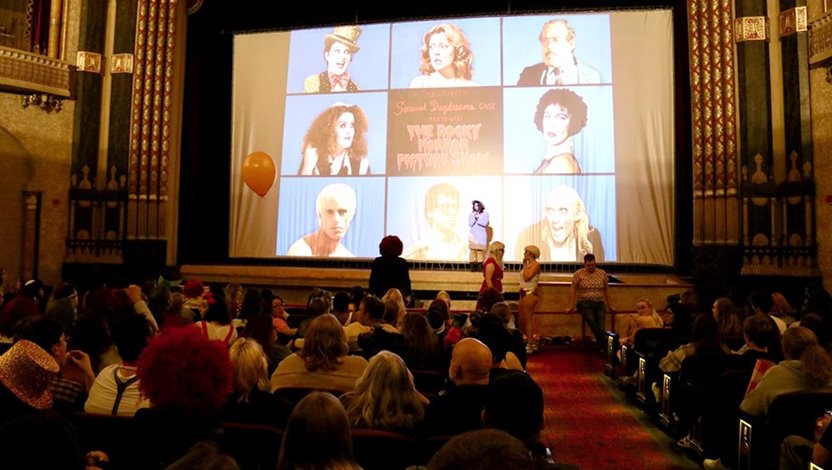
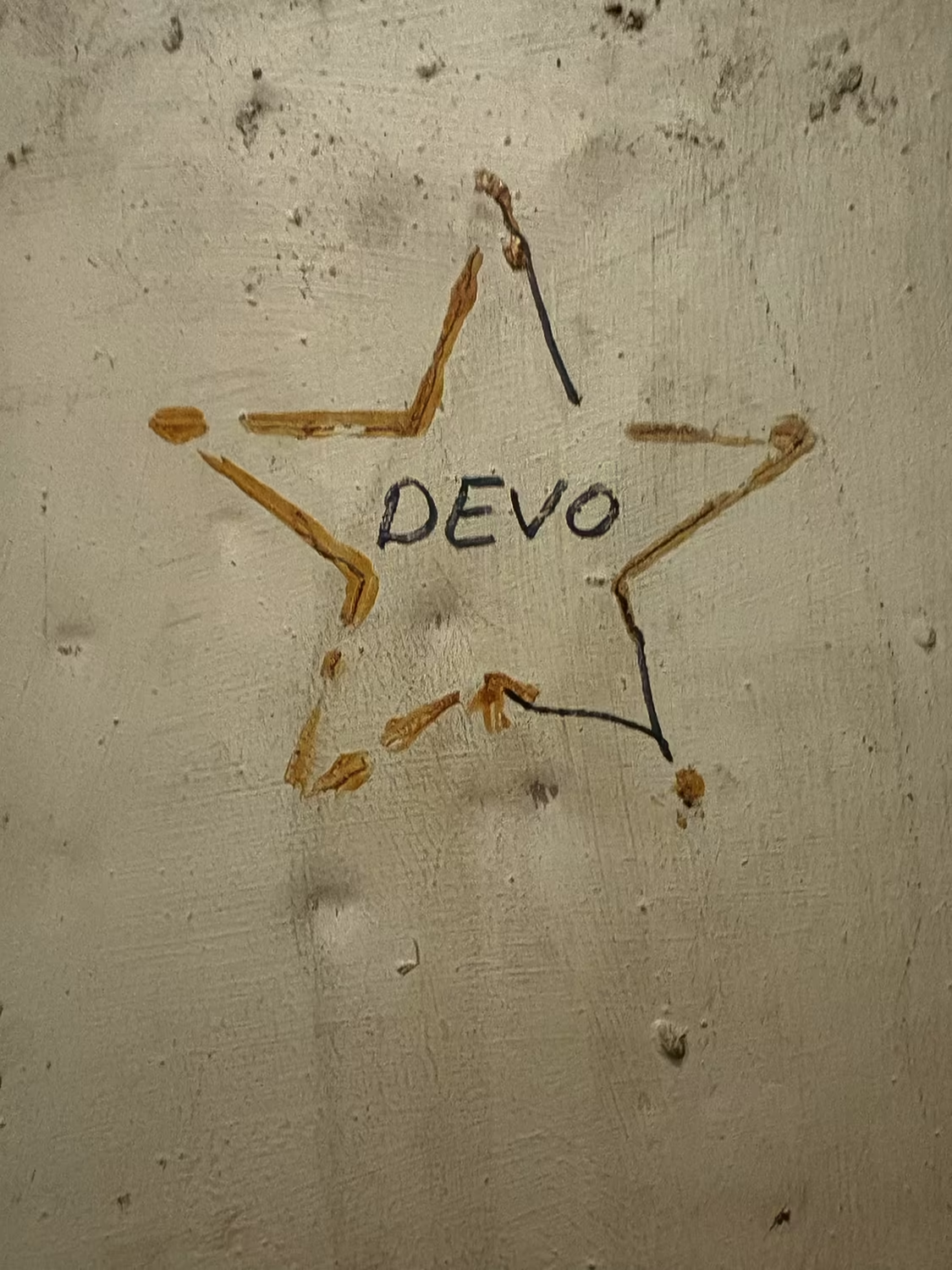
In 1972, the Oriental Theatre was sold to a trio of Milwaukee brothers, the Pritchetts, who initially considered razing the building and constructing a general store. After seeing the stunning interiors and ornate decoration, the brothers came to see the theater in all its architectural and aesthetic glory. The Pritchetts became stewards of the building and proponents of its cultural and decorative significance. During the 1970s, they revitalized the building, replaced the roof, and added new entertainment offerings, such as concerts and live performances. Notably, prior to their concert at the Oriental Theatre in 1981, The Pretenders guitarist James Honeyman-Scott saw a local band busking outside. Honeyman-Scott liked them so much he invited them in to do an opening set, launching the career of the Violent Femmes. Starting in 1978, midnight showings of The Rocky Horror Picture Show began at the Oriental Theatre with a live shadowcast. As of 2026 the Oriental Theatre holds the world’s record for the longest continuous run of the film with a shadowcast.


As urban sprawl beget suburban movie theaters throughout the 1950s and 1960s and with massive multiplexes popping up across the American moviegoing landscape in late 1970s and 1980s, it became clear the Oriental Theatre needed to make substantial changes if it wanted to remain competitive in a rapidly transforming industry. At the tail end of the 1980s, the Pritchetts renovated the theater and built two additional auditoriums on either side of the main theater, carved out beneath its balcony.
Although the addition of two new screens signaled a sea change for both the Oriental Theatre and moviegoing culture at large, the building’s original architectural and aesthetic features were preserved and remain intact to this day.
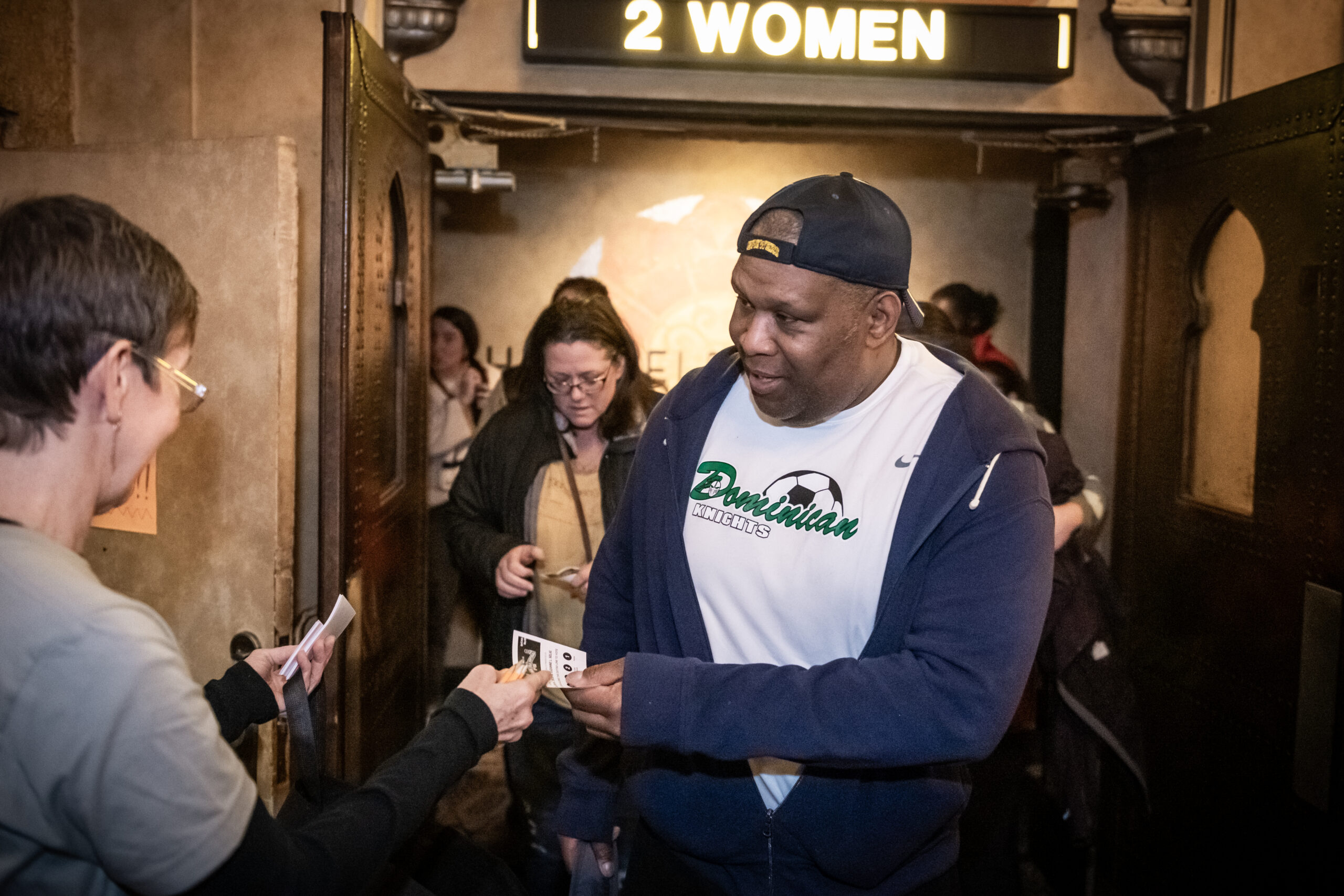
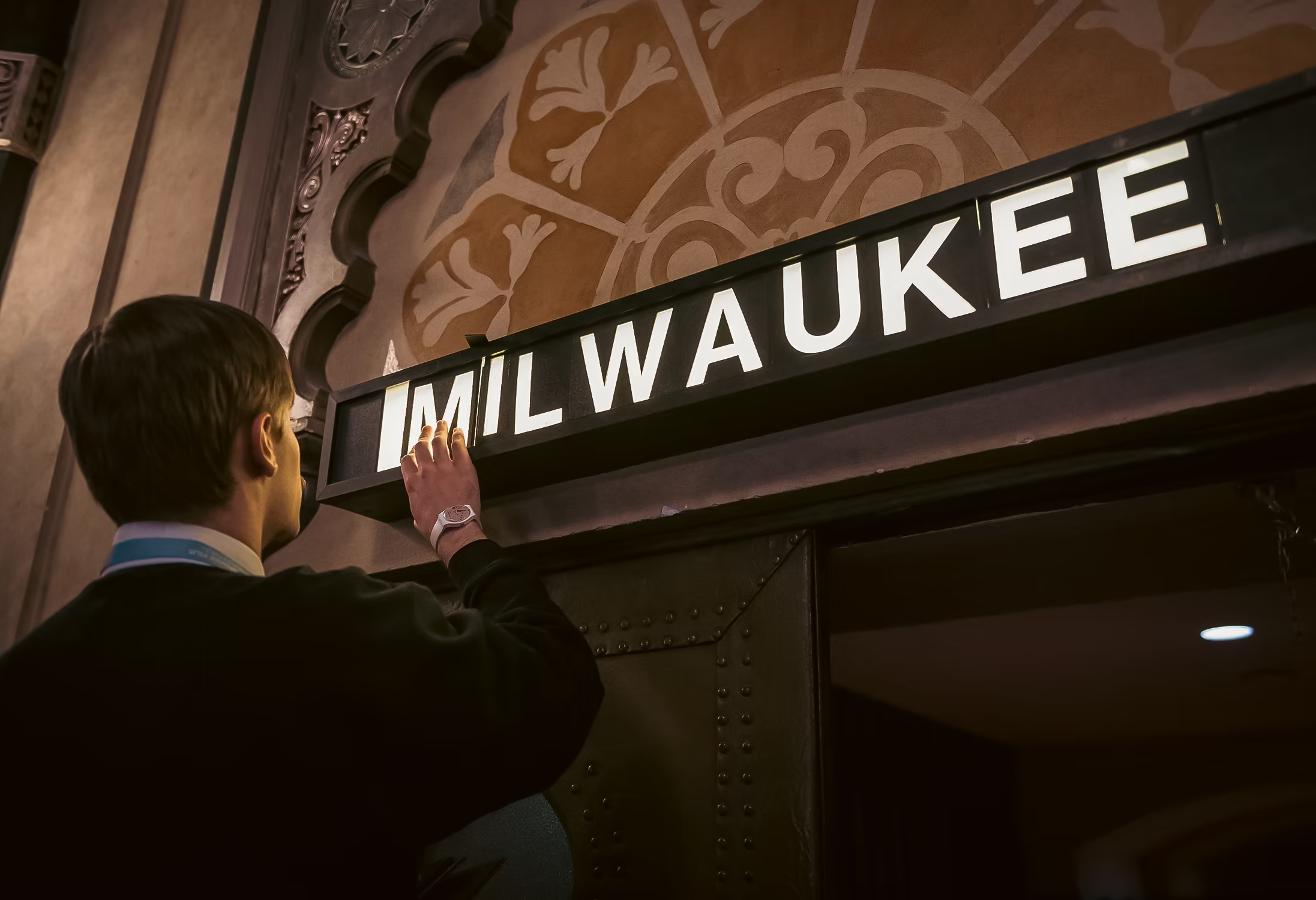
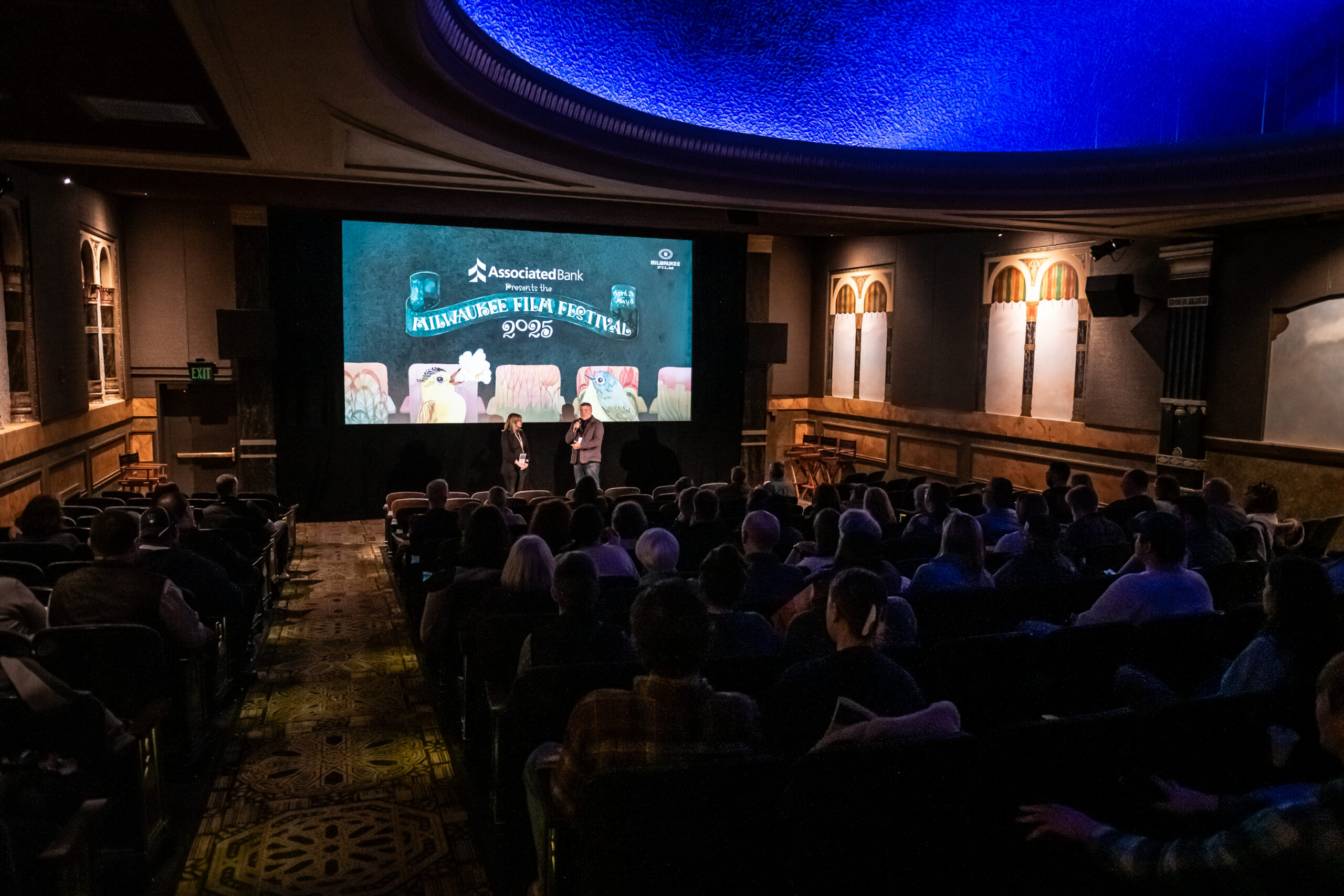
In July 2018, Milwaukee Film took over operations of the Oriental Theatre, dramatically expanding our year-round presence with the ability to show movies 365 days a year. From 2018-2021, the organization completed three phases of a $10M renovation, restoring historic features, replacing seating and carpeting, updating concessions and restroom facilities to be more expansive, and improving audio-video systems—including installation of a Hearing Loop to improve accessibility, and re-installing the ability to present films on 35 or 70mm.
Architecture
CONCEPTION, CONSTRUCTION, & NOT-SO-HUMBLE BEGINNINGS
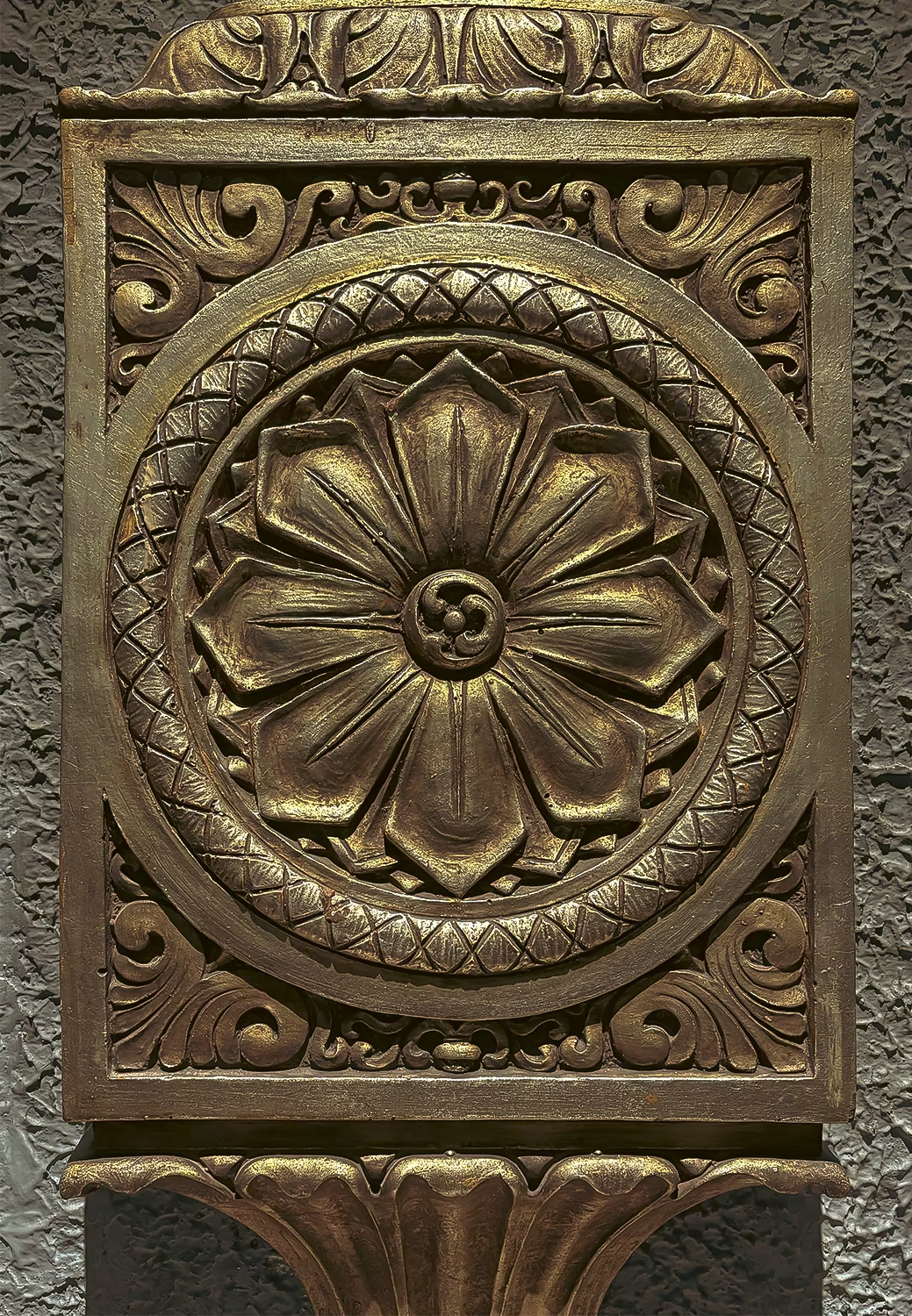
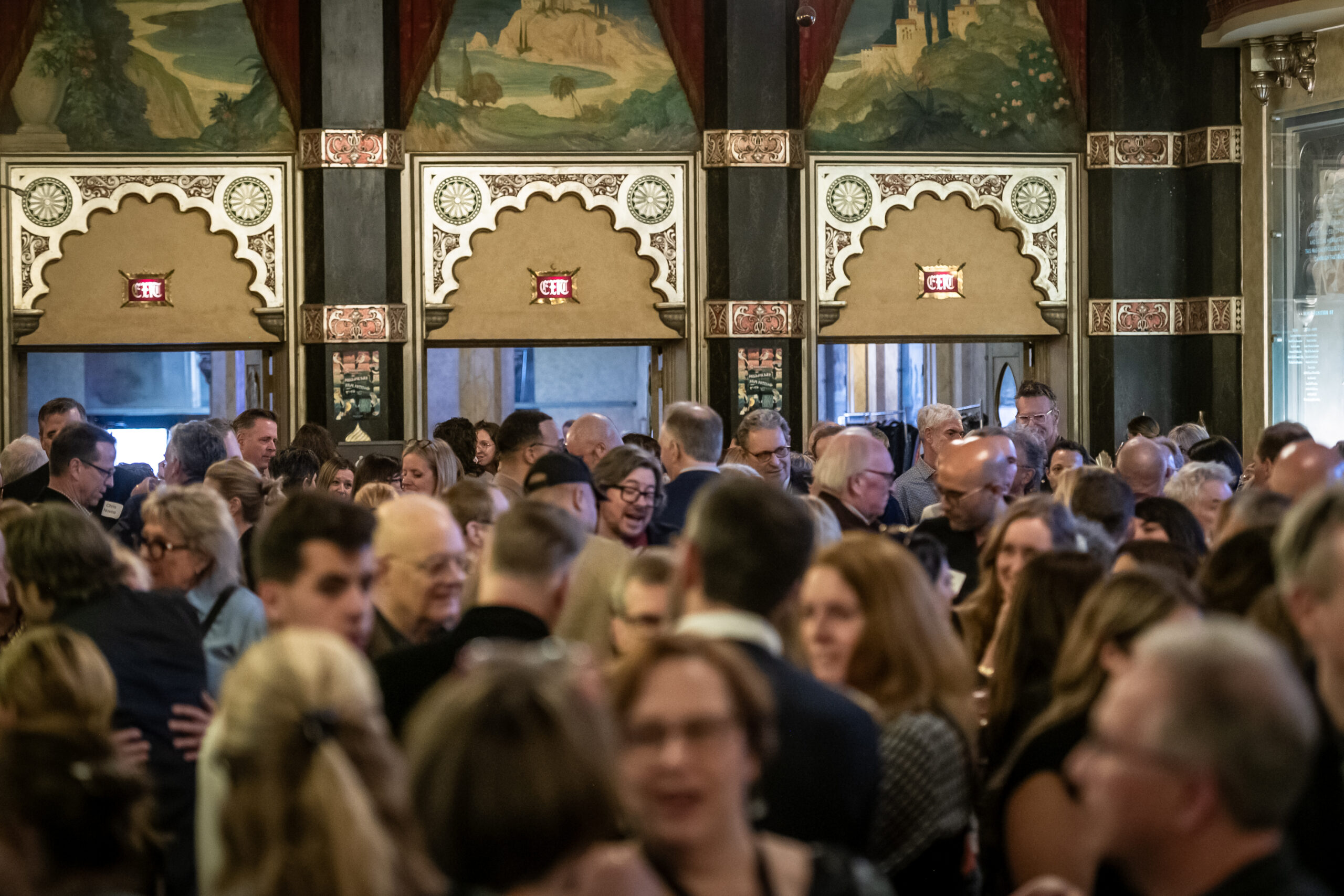
Designed to feel like a “temple of Oriental art,” the Oriental Theatre was conceived of by the Milwaukee architecture firm Dick & Bauer and constructed by Saxe Amusement Enterprises in 1927. With design elements borrowed from Indian, Moorish, Islamic, and Byzantine architectural styles, the Oriental Theatre’s eccentric, East Indian-inspired aesthetic resulted in 2,000 yards of lush textiles, faux teakwood ceiling timbers, intricate tile floors and pillars, onion-domed minarets, a porcelain-paneled entrance, and a stately terra cotta balustrade atop the theater roof.
In addition to these East Indian architectural features, guests of the Oriental will find a pastiche of design elements that contribute to the theater’s extravagant ambience:
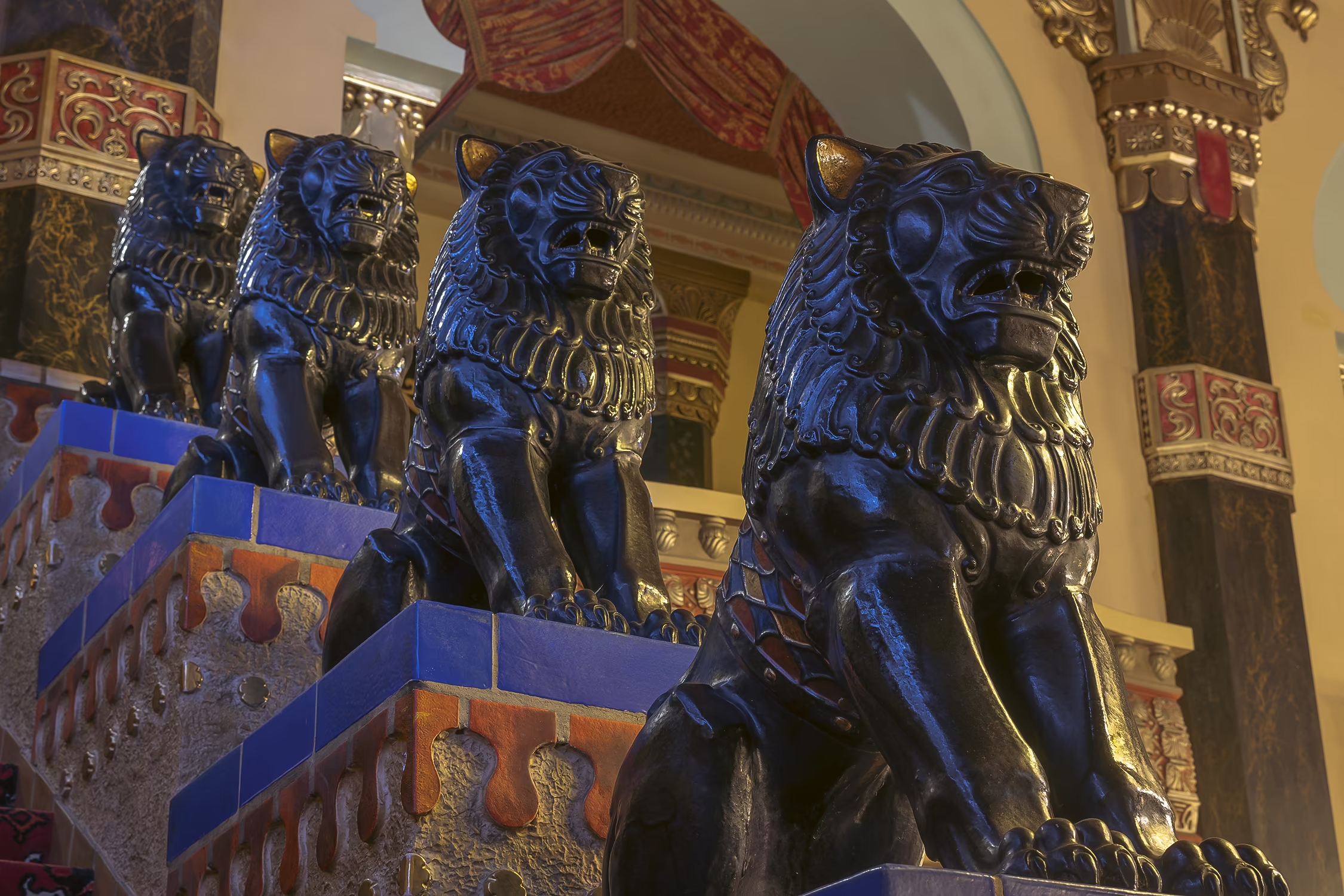
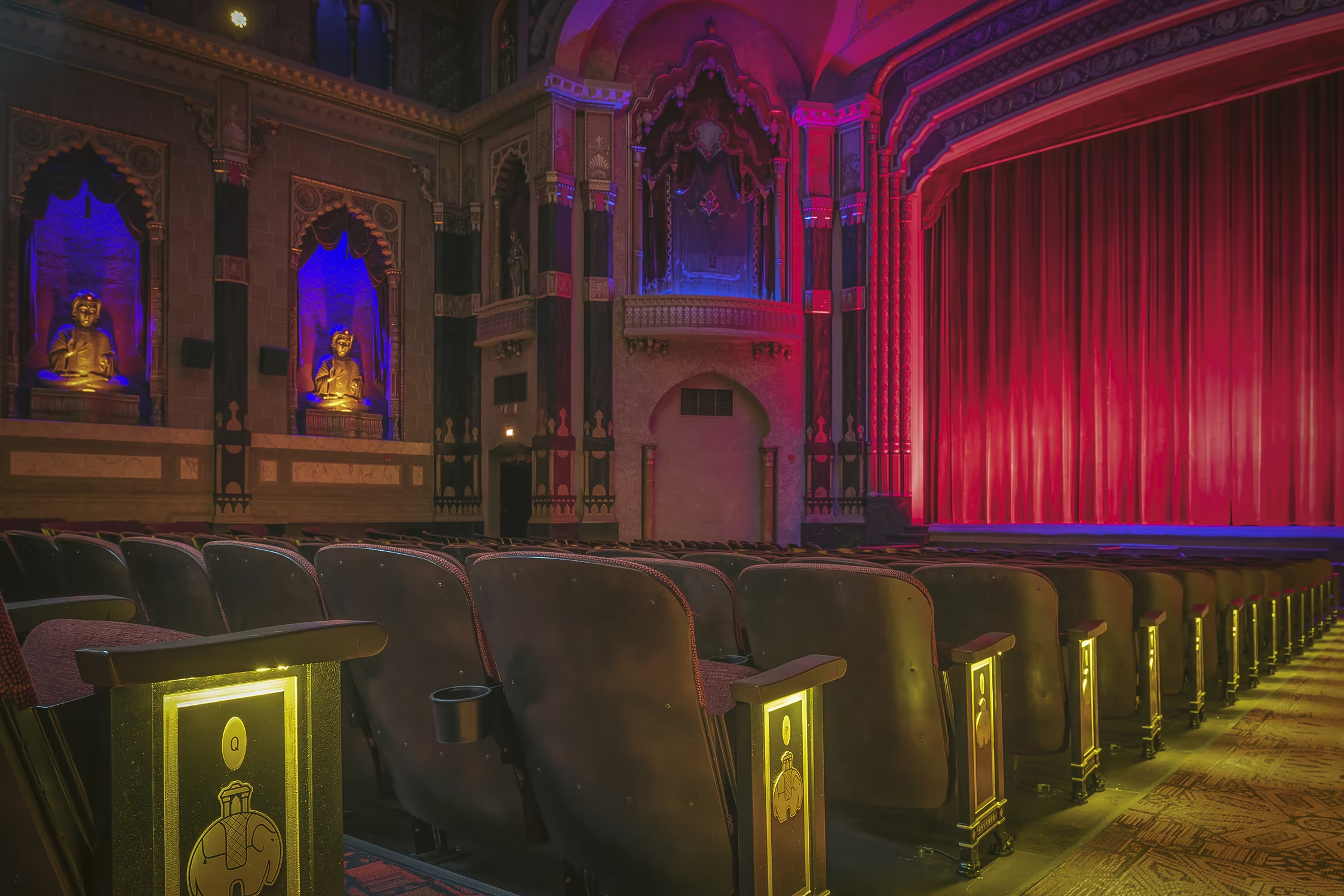
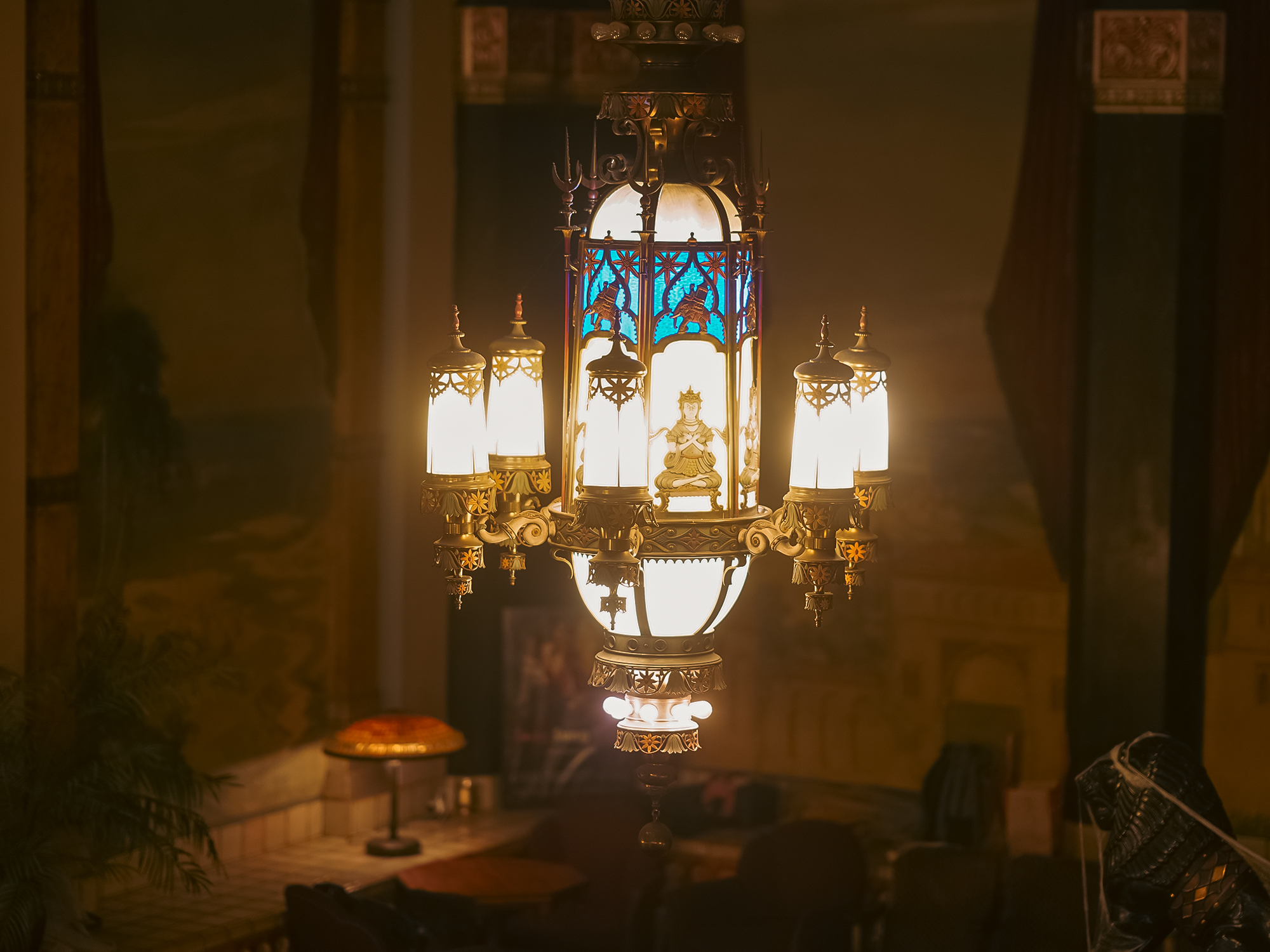
Three eight-foot chandeliers hang from the ceiling. Eight porcelain lions don the staircase to the balcony. Numerous hand-painted murals of the Taj Mahal and other giants of Eastern architecture line the walls. Countless mythological creatures can be found in the plasterwork. Hundreds of elephants are hidden throughout the interior, and enormous statues of the Buddha live inside decorative bays in the main theater.
Milwaukee Film recognizes that the name and décor of our cinema are relics of a time when the exoticization of Asian culture and iconography was common and had not been examined. They serve as examples of Orientalism and the “exotic” cinema design style common amongst movie palaces of the early 20th Century. In 2021, we began a multi-year interrogation of these names, icons, decorative features, and their impact on those who may work at or visit our space. These discussions are ongoing.
Support our Cinemas
Keeping two historic cinemas running up to 21st-century expectations takes a village of supporters. Learn more about ways you can support our Capital needs directly.

Proudly Supported by Associated Bank
Associated Bank is the official bank of Milwaukee Film. Learn more here